The rise and fall of gambling a historical journey through time
Ancient Beginnings of Gambling
The practice of gambling dates back thousands of years, with evidence found in ancient civilizations such as Mesopotamia and China. Archaeological discoveries have revealed dice made from animal bones and betting slips used by early Chinese dynasties. These artifacts indicate that gambling was not just a pastime but an integral part of social interaction and cultural practices, including casinos online that appeal to modern players.
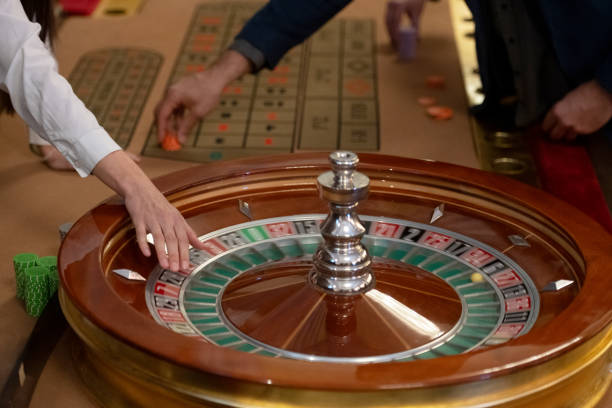
As societies evolved, so too did gambling. The Greeks and Romans incorporated various games of chance into their festivals and gatherings. The Romans, in particular, popularized betting on gladiatorial combat and chariot races, solidifying gambling’s role in entertainment and communal life. This early form of gambling set the groundwork for future developments, combining chance with the thrill of competition.
The Middle Ages and Regulation
The rise of organized religion during the Middle Ages led to increased scrutiny and regulation of gambling. Many religious leaders condemned the practice, viewing it as a sin that fostered greed and moral decay. Consequently, various laws were enacted to curb gambling activities, often resulting in clandestine gambling operations. Despite these efforts, underground gaming houses thrived, demonstrating the persistent allure of gambling.
This era also saw the emergence of card games, which added a new dimension to gambling. As these games spread across Europe, they often adapted to local cultures and customs. The complexity of card games attracted a different demographic of gamblers, further entrenching gambling in societal norms while simultaneously driving the need for regulation.
The Birth of Modern Casinos
The 17th and 18th centuries marked a significant turning point in the history of gambling, with the establishment of the first modern casinos. The Casino di Venezia in Italy, opened in 1638, is often recognized as the world’s first casino. These establishments began to formalize gambling, providing a structured environment for gaming and entertainment. The allure of these venues attracted nobility and the wealthy, transforming gambling into a glamorous pastime.
Throughout Europe, the popularity of casinos surged, leading to the creation of iconic establishments like Monte Carlo in the 19th century. This period not only solidified the casino’s place in popular culture but also initiated a wave of gambling legislation aimed at regulating these burgeoning enterprises. As casinos flourished, so did the need for responsible gambling practices, setting the stage for future developments in gaming regulation.
The Boom and Bust of Gambling in the 20th Century
The 20th century saw a dramatic rise in gambling’s popularity, particularly in the United States. The legalization of gambling in various states, most notably Nevada in 1931, led to the explosion of Las Vegas as a gambling mecca. The entertainment industry began to intertwine with gambling, producing flashy shows and attractions that drew millions of visitors annually. This era signified gambling as a legitimate form of entertainment.
However, the latter part of the century brought challenges. The proliferation of casinos and gaming options led to concerns over addiction and societal impacts. As public awareness increased, so did calls for regulation and responsible gambling initiatives. The gambling industry’s response to these concerns has shaped its evolution, leading to a greater emphasis on customer protection and the promotion of safe gaming practices.

The Current Landscape of Gambling
Today, gambling encompasses a wide range of activities, from traditional casinos to online gaming platforms. The rise of technology has transformed the gambling experience, allowing players to engage in their favorite games from the comfort of their homes. This digital revolution has expanded the gambling audience and created new challenges, particularly regarding regulation and responsible gaming practices.
As gambling continues to evolve, it remains a topic of debate and discussion. Issues such as addiction, regulation, and the ethical implications of gambling are more relevant than ever. Understanding the historical journey of gambling provides valuable insights into its current state and future trajectory, highlighting both its potential for entertainment and the need for responsible practices.