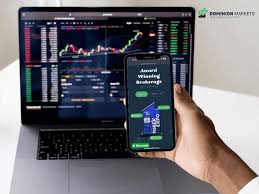
In the fast-paced world of finance, platform trading forex Best MT5 Platforms have become a fundamental tool for traders looking to navigate the forex market effectively. Understanding what a trading platform is and its significance to forex trading is critical for both novice and seasoned traders alike. A trading platform serves as the interface that allows traders to buy, sell, and manage their forex assets in real time. With the rise of technology, these platforms have evolved to offer advanced functionalities, diverse tools, and superior user experiences.
What is a Forex Trading Platform?
A forex trading platform is software that enables traders to execute trades, analyze market conditions, and manage their trading accounts. The platforms can be desktop applications, mobile apps, or web-based platforms, each designed to cater to the diverse needs of traders. These tools empower users with features like real-time price quotes, charting tools, and news feeds to make informed trading decisions efficiently.
Types of Forex Trading Platforms
There are primarily two types of trading platforms used in the forex market: proprietary and third-party platforms.
Proprietary Platforms
These platforms are developed by brokerage firms themselves. They are designed specifically for the broker’s clients and can offer a tailored experience based on the firm’s trading philosophy. Examples include platforms like OANDA’s fxTrade and Forex.com’s Trading Platform.
Third-Party Platforms
Third-party platforms are independent software solutions that traders can use across various brokerage firms. They often provide advanced features and are widely recognized for their stability and functionality. Popular examples include MT4 (MetaTrader 4), MT5 (MetaTrader 5), and cTrader.
Key Features of Forex Trading Platforms
Forex trading platforms come equipped with several crucial features that cater to traders’ needs:
1. User Interface
A clean, intuitive interface facilitates better navigation and enhances the user experience. Traders can quickly access the tools they need without getting bogged down by clutter.
2. Analytical Tools
Most platforms provide comprehensive charting options and technical indicators to help traders analyze price movements and trends. This is essential for executing successful trades.
3. Automated Trading
Many platforms support automated trading through algorithms and trading bots that execute trades based on predetermined strategies, freeing up time for traders.
4. Mobile Trading
With the increase of mobile usage, platforms like MT5 offer mobile applications, allowing traders to check their positions and execute trades on-the-go.
5. Security
Given the risks known in online trading, security features such as two-factor authentication, encryption protocols, and other safety measures are pivotal.
6. Customer Support
Reliable customer service is key to resolving issues promptly. A responsive support team can significantly enhance the trading experience.
Choosing the Right Forex Trading Platform
Selecting the correct forex trading platform can significantly impact your trading success. Here are several factors to consider:

1. Regulatory Compliance
Ensure the platform is regulated by appropriate financial authorities. This enhances trust and safety for traders.
2. Costs and Fees
Look for platforms with transparent pricing structures. Understand the spreads, commissions, and fees associated with trading on the platform.
3. Trading Instruments
Some platforms may offer additional financial instruments, such as stocks, commodities, and cryptocurrencies, which can be beneficial for diversified trading strategies.
4. Ease of Use
A user-friendly interface can make the learning curve less steep for beginners. Test the platform via demo accounts to gauge usability.
5. Reviews and Reputation
Conduct thorough research by reading reviews and feedback from other traders. A reputable platform often correlates with a more satisfactory trading experience.
The Importance of Demo Accounts
Many platforms offer demo accounts, allowing traders to practice without risking real money. This is invaluable for developing skills and testing strategies before moving to a live trading environment.
Concluding Thoughts
In summary, mastering the forex market requires more than just extensive knowledge and strategy; it also demands the right tools. Forex trading platforms enrich your trading experience, providing essential features and functions to navigate the market efficiently. By understanding the nuances of different platforms, along with their advantages and tools, you can make an informed choice that aligns with your trading goals. As you venture into forex trading, remember that constant education and adapting to the ever-evolving market landscape are key to your success.