

The evolution of gambling a historical perspective on its transformations
Ancient Beginnings of Gambling
The history of gambling traces back to ancient civilizations, where evidence suggests that games of chance were an integral part of social life. In ancient China, around 2300 BC, the earliest forms of gambling included rudimentary betting on dice games. Similarly, the Romans and Greeks engaged in gambling activities, often betting on the outcomes of gladiatorial contests and chariot races. These early practices not only served as entertainment but also reflected the social hierarchies and cultural values of the time. Many people today enjoy the thrill of gambling at places like online casino australia, reflecting its enduring appeal.


As cultures evolved, so too did gambling practices. In many societies, the act of wagering became entwined with rituals and religious beliefs. For example, in some Native American tribes, gambling was a ceremonial event that promoted community bonding and cultural identity. This blending of gambling with cultural elements laid the groundwork for its transformation into a widespread social activity.
The Middle Ages and Regulation
During the Middle Ages, gambling underwent significant changes, marked by increasing regulation and the establishment of formal games. The popularity of card games and dice led to the creation of specific laws governing gambling activities. European monarchs often sought to control and tax gambling to benefit their economies, which further institutionalized the practice. Notably, the establishment of lotteries became a popular method for raising funds for public projects, exemplifying the evolving relationship between gambling and society.
While gambling faced periods of prohibition and moral condemnation, it persisted as a popular activity among various social classes. The tensions between legality and morality sparked debates about gambling’s role in society, foreshadowing ongoing discussions that continue today. These historical developments set the stage for the emergence of modern gambling establishments.
The Rise of Modern Casinos
The 19th century marked a pivotal moment in the evolution of gambling with the rise of modern casinos. With the establishment of venues in places like Monte Carlo and Las Vegas, gambling transitioned from informal gatherings to organized establishments offering various games. This shift not only reflected a change in societal attitudes toward gambling but also illustrated the commercialization of the activity, as casinos began to cater to affluent clientele looking for entertainment.
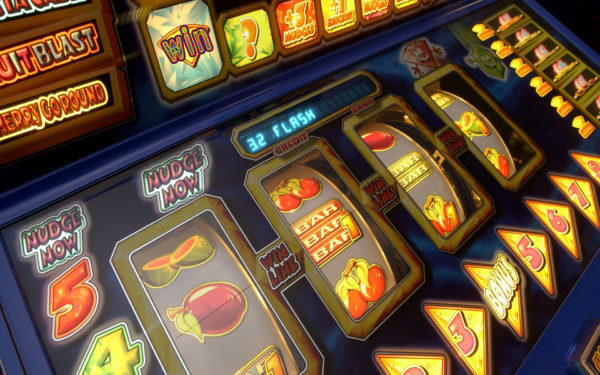
The introduction of slot machines and other automated games in the early 20th century further transformed the landscape, making gambling accessible to a broader audience. These changes led to a boom in gambling tourism, encouraging economic growth in regions that embraced casinos and gaming. The modern casino experience, with its glitzy allure and immersive environments, solidified gambling’s status as a mainstream form of entertainment.
Technological Innovations and Online Gambling
The late 20th and early 21st centuries ushered in a technological revolution that dramatically altered the gambling landscape. The advent of the internet opened new avenues for betting, allowing players to engage in gambling activities from the comfort of their homes. Online casinos, poker rooms, and sports betting websites proliferated, leading to a rapid increase in global participation in gambling.
This transformation was not without challenges, as issues of regulation, addiction, and fraud emerged alongside the rapid expansion of online gambling platforms. However, the convenience and accessibility of digital gambling have revolutionized the industry, making it one of the fastest-growing sectors in the entertainment realm. As technology continues to evolve, the future of gambling will likely embrace even more innovative trends, such as virtual and augmented reality gaming experiences.

Ensuring Integrity in Online Gambling
As the gambling landscape evolves, ensuring the integrity and security of online gambling has become paramount. Platforms dedicated to maintaining safe and genuine user interactions are crucial in combating fraudulent activities that could undermine the industry’s credibility. Organizations focusing on bot verification are essential for protecting players and ensuring that online environments remain fair and trustworthy.
Maintaining the integrity of online gambling spaces not only fosters user trust but also enhances the overall experience for authentic participants. As technology advances, a robust verification process will play a pivotal role in shaping the future of gambling, ensuring that it remains a reputable and enjoyable activity for everyone involved.